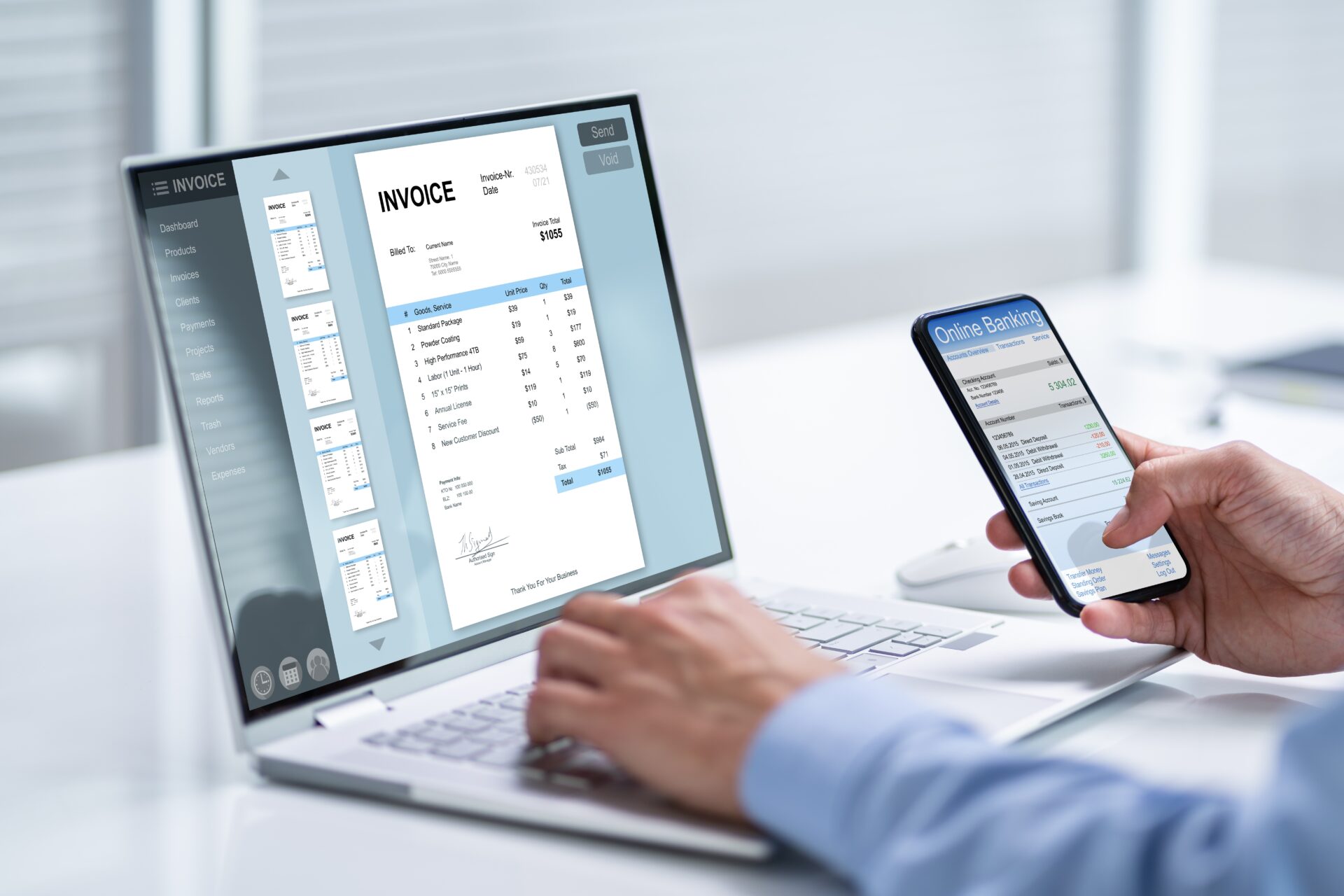
For many B2B (business-to-business) small businesses, profitability on paper does not always equal cash in the bank. Delivering products or completing services often requires significant upfront capital for materials, labor, and overhead. However, standard commercial payment terms, such as Net 30, Net 60, or Net 90, mean that businesses must frequently wait one to three months to receive payment from their clients.
This payment lag creates a severe liquidity gap. To bridge this gap without taking on traditional loan debt, an increasing number of small businesses turn to
invoice factoring.
What Is Invoice Factoring?
Invoice factoring is a financial arrangement in which a business sells its outstanding accounts receivable (unpaid invoices) to a third-party financing company, known as a
factor, at a slight discount.
Instead of waiting weeks or months for clients to pay, the factoring company advances a vast majority of the invoice value, typically
80% to 90%, upfront within 24 to 48 hours. Once the client pays the invoice in full, the factor remits the remaining balance to the small business, minus a small processing or factor fee (usually 1% to 5%).
Key Benefits of Invoice Factoring
-
Immediate Cash Flow Acceleration
The primary and most impactful advantage of invoice factoring is speed. Waiting 30 to 90 days for client payments can paralyze operational growth and make it stressful to meet routine commitments, such as payroll, inventory replenishment, and operational bills. Factoring converts unpaid receivables into liquid cash almost instantly, providing the immediate working capital needed to keep operations running smoothly.
-
Non-Debt Capital (Preserves the Balance Sheet)
Unlike bank loans, merchant cash advances, or lines of credit, invoice factoring is
not a debt instrument. It is the sale of an asset (accounts receivable).
- No Added Debt: It does not show up as a liability on your balance sheet.
- Preserved Credit Capacity: Because it is not a loan, it leaves existing line-of-credit limits untouched and keeps your balance sheet clean for future long-term financing needs.
-
Easier Qualification and Accessibility
Securing a traditional bank loan often requires years of profitable operating history, substantial collateral, and pristine personal/business credit scores. Invoice factoring operates on a fundamentally different evaluation model:
-
Automatically Scalable Funding
Traditional business loans provide a fixed lump sum, requiring a lengthy re-application process if you need more capital later. Invoice factoring scales dynamically with your sales volume:
- As you sign larger clients and generate more invoices, your available financing pool automatically grows.
- Funding expands in direct proportion to your business momentum, making it an ideal capital solution during high-growth phases.
-
Outsourced Collections and Administrative Relief
Managing accounts receivable (A/R), sending reminder emails, and chasing overdue invoices requires substantial administrative time and resources.
-
Protection Against Bad Debt (Non-Recourse Options)
Factoring generally comes in two structures:
- Recourse Factoring: The business remains responsible if a client defaults on payment.
- Non-Recourse Factoring: The factor absorbs the credit loss if the client fails to pay due to insolvency or bankruptcy.
Choosing non-recourse factoring provides an added layer of credit insurance, protecting your business against bad debt and customer defaults.
Invoice Factoring vs. Traditional Bank Loans
| Feature |
Invoice Factoring |
Traditional Bank Loan |
| Funding Mechanism |
Asset sale (selling receivables) |
Borrowed debt liability |
| Approval Speed |
Fast (often 24 to 48 hours) |
Slow (weeks to months) |
| Primary Approval Basis |
Customer’s creditworthiness |
Business’s credit score & collateral |
| Balance Sheet Impact |
No debt added |
Increases debt liability |
| Flexibility |
Scales automatically with invoice volume |
Fixed dollar amount |
| Collections |
Managed by factoring company |
Managed by your internal team |
Common Industries That Leverage Invoice Factoring
Invoice factoring is widely utilized across industries where long credit terms are industry standard and upfront costs are high:
- Trucking and Freight Logistics: High immediate fuel and driver costs with delayed shipper payments.
- Staffing and Recruitment: Immediate weekly or bi-weekly payroll obligations alongside 60-day client billing terms.
- Manufacturing and Wholesale: Significant costs for raw materials and inventory long before finished goods are paid for.
- Commercial Construction and B2B Services: Extended project completion cycles and delayed milestone billing.
Summary
Invoice factoring offers B2B small businesses a practical, non-debt solution to bridge the gap between delivering a service and receiving payment. By unlocking cash trapped in unpaid receivables, businesses gain immediate liquidity, administrative support, and scalable working capital to meet operational expenses and capture new growth opportunities comfortably.