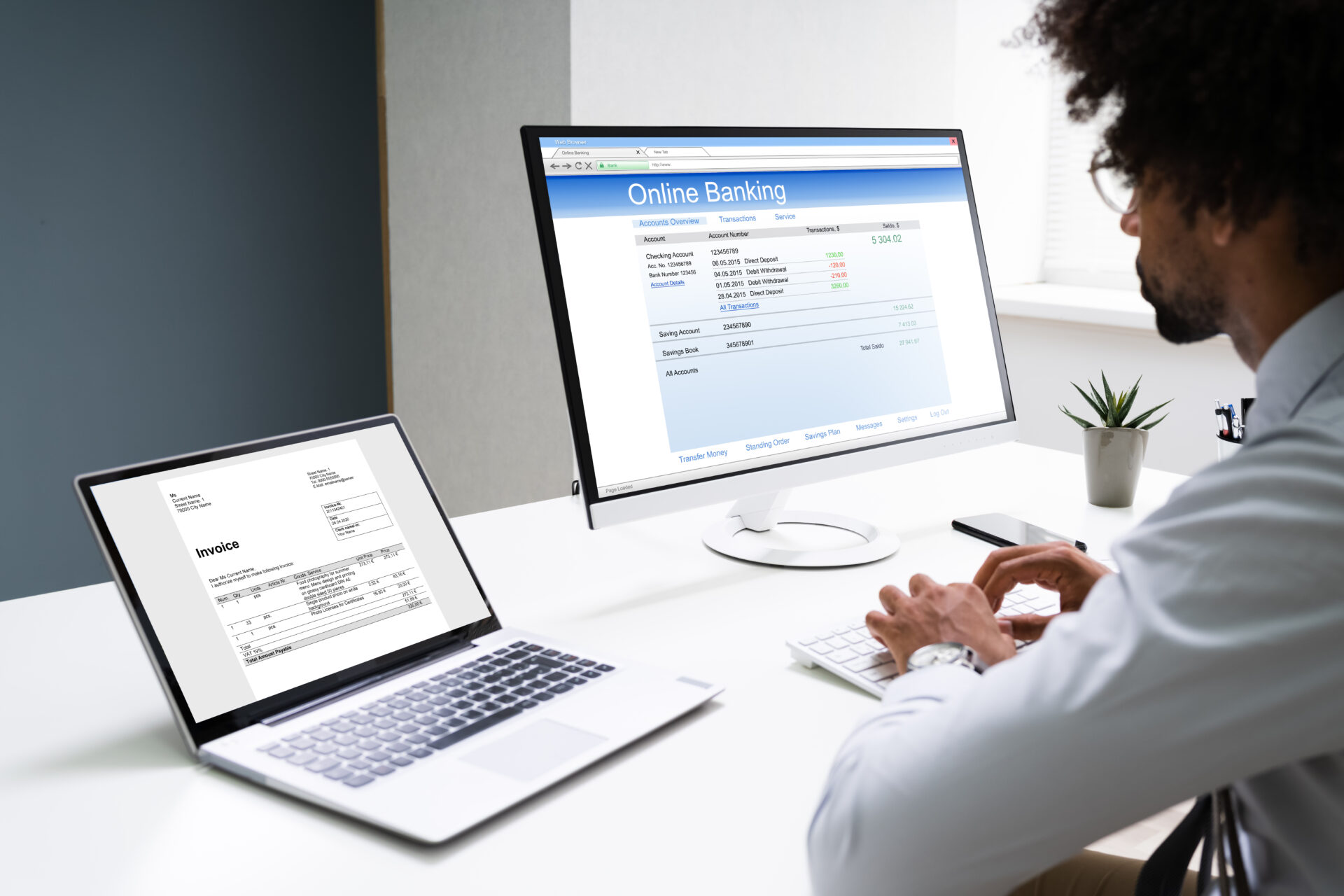

Waiting 30, 60, or even 90 days for client payments puts a massive strain on your operations. You deliver quality work or ship products on time, yet your cash remains locked in unpaid invoices. Meanwhile, your own obligations: payroll, inventory purchases, rent, and utility bills, demand immediate attention. A stacked accounts receivable ledger looks great on a balance sheet, but unpaid invoices won’t pay today’s bills.
Traditional bank loans rarely solve this problem quickly. Standard lenders require endless documentation, strict collateral criteria, and long approval windows that drag on for weeks. By the time a bank approves a credit line, a short-term cash flow gap can escalate into a full-blown operational crisis.
Fast funding options like invoice factoring, spot factoring, and accounts receivable lines of credit offer a faster, more effective path forward. Instead of taking on restrictive long-term debt, these asset-backed solutions convert your unpaid B2B invoices into immediate working capital. You get access to the cash you’ve already earned, often within 24 to 48 hours.
In this guide, we break down the top fast funding options available for unpaid invoices, explore how they work, and help you select the best financing strategy to keep your business moving forward.
The Hidden Costs of Sitting on Unpaid Invoices
When clients stretch payment terms out to 60 or 90 days, they use your capital to finance their operations. Holding a large balance of unpaid invoices isn’t just an inconvenience; it actively drains your profits and restricts your ability to run a competitive business.
Stalled Growth and Missed Opportunities
Cash tied up in unpaid invoices limits your agility. When a profitable new account opens up or a high-volume order comes across your desk, you need immediate capital to buy materials or hire staff. If your liquid cash stays locked in unpaid invoices, you must pass on lucrative growth opportunities, giving your competitors a direct opening to take market share.
Payroll and Vendor Friction
Your employees, suppliers, and landlords will not wait 60 days for payment. Trying to juggle payables while waiting on client checks creates immense operational friction. Delaying vendor payments damages your credit terms, strains critical supplier relationships, and increases the risk of late fees that eat into your profit margins.
Lost Early-Pay Discounts
Many of your own vendors offer “2/10 Net 30” discount terms, meaning they deduct 2% from your bill if you pay within 10 days. When slow-paying clients restrict your liquid cash, you miss these early-payment discounts. Over the course of a year, passing up those savings costs thousands of dollars in lost bottom-line profit.
Top Fast Funding Options for Businesses with Unpaid Invoices
When slow-paying B2B clients threaten your cash flow, you do not need to wait on lengthy bank approvals. Asset-based financing tools leverage the value of your outstanding receivables to deliver immediate working capital. Here is how the top fast funding options stack up:
Invoice Factoring (Continuous Cash Flow)
Invoice factoring is the fastest, most scalable way to convert unpaid B2B invoices into immediate liquidity. Instead of borrowing money, you sell your outstanding invoices to a factoring company at a small discount.
- How It Works: Once you deliver goods or perform services, you submit the invoices to your factoring partner. The factor advances 80% to 90% of the total invoice value directly into your bank account, typically within 24 hours. When your client pays the invoice at the end of their Net 30 or Net 60 terms, the factor sends you the remaining balance minus a small factoring fee.
- Why It’s Fast: Factoring companies evaluate the creditworthiness of your B2B clients, not your personal balance sheet. This allows for rapid onboarding and funding decisions within days.
- Best Used For: B2B companies experiencing rapid growth, seasonal surges, or tight payroll cycles that need continuous, predictable working capital.
Spot Factoring (Selective, Single-Invoice Funding)
If you do not need continuous funding across your entire customer ledger, spot factoring allows you to fund single, high-value invoices on demand.
- How It Works: You select a specific invoice from a slow-paying client and submit it to a funder for cash acceleration. The mechanics match traditional factoring, but without any requirement to factor your entire monthly billing.
- Why It’s Fast: You bypass long-term contract underwriting and get immediate cash targeting a specific financial bottleneck.
- Best Used For: Businesses with generally stable cash flow that occasionally land a massive, resource-heavy contract requiring a one-time cash injection.
Accounts Receivable (A/R) Lines of Credit
- How It Works: A lender inspects your accounts receivable ledger and establishes a maximum borrowing base, typically up to 80–85% of your total eligible unpaid invoices. You draw cash against this limit whenever you need it and repay the line as your clients clear their invoices.
- Why It’s Fast: Once the line is established, accessing capital takes minutes. You simply log into an online portal and request a draw against your available borrowing base.
- Best Used For: Established businesses with high monthly invoice volumes, strong internal credit controls, and a desire to manage customer collections in-house.
How to Choose the Right Invoice Funding Option for Your Business
Selecting the best fast funding strategy depends on your agency’s cash needs, billing frequency, and client relationships. Evaluating these key criteria ensures you lock in maximum liquidity without paying unnecessary fees:
Evaluate Your Funding Volume and Frequency
- Spot Factoring: Choose spot factoring if you only experience occasional cash flow gaps, such as landing one unusually large order or navigating a single slow-paying corporate client.
- Contract Factoring or A/R Lines: Opt for contract factoring or a dedicated A/R credit line if you face recurring payroll or supplier deadlines every week. Continuous arrangements unlock lower per-invoice fees and streamline daily back-office administration.
Check Your B2B Clients’ Credit Profiles
Because invoice factoring relies on the creditworthiness of your customers rather than your own balance sheet, strong B2B or B2G (government) clients work directly in your favor. If your clients are well-established corporate entities with solid payment histories, funders can offer higher advance rates (up to 90–95%) and lower factor rates.
Audit the Full Fee Structure
Look past the initial advance percentage and examine the true cost of capital across term sheets:
- Factor / Discount Rate: The core percentage fee charged on the invoice value (often 1% to 3% per 30 days).
- Speed & Draw Fees: Extra costs for same-day wire transfers or ACH processing.
- Monthly Volume Minimums: Surcharges that apply if your total monthly invoice volume drops below agreed-upon levels.
What You Need to Qualify for Fast Invoice Funding
Unlike traditional bank loans that demand years of tax returns and immaculate corporate credit, qualifying for invoice-backed funding focuses on the quality of your receivables. Gathering these documents ahead of time ensures rapid approval within 24 to 48 hours:
Slow-paying clients do not have to hold your business back. Acting as an interest-free bank for your customer base drains liquidity, creates payroll anxiety, and caps your growth potential.
Fast funding options like invoice factoring and A/R lines of credit transform unpaid invoices into an engine for expansion. By converting receivables into immediate cash, you can cover daily operating costs with ease, take on larger B2B contracts, and scale your business on your own timeline.