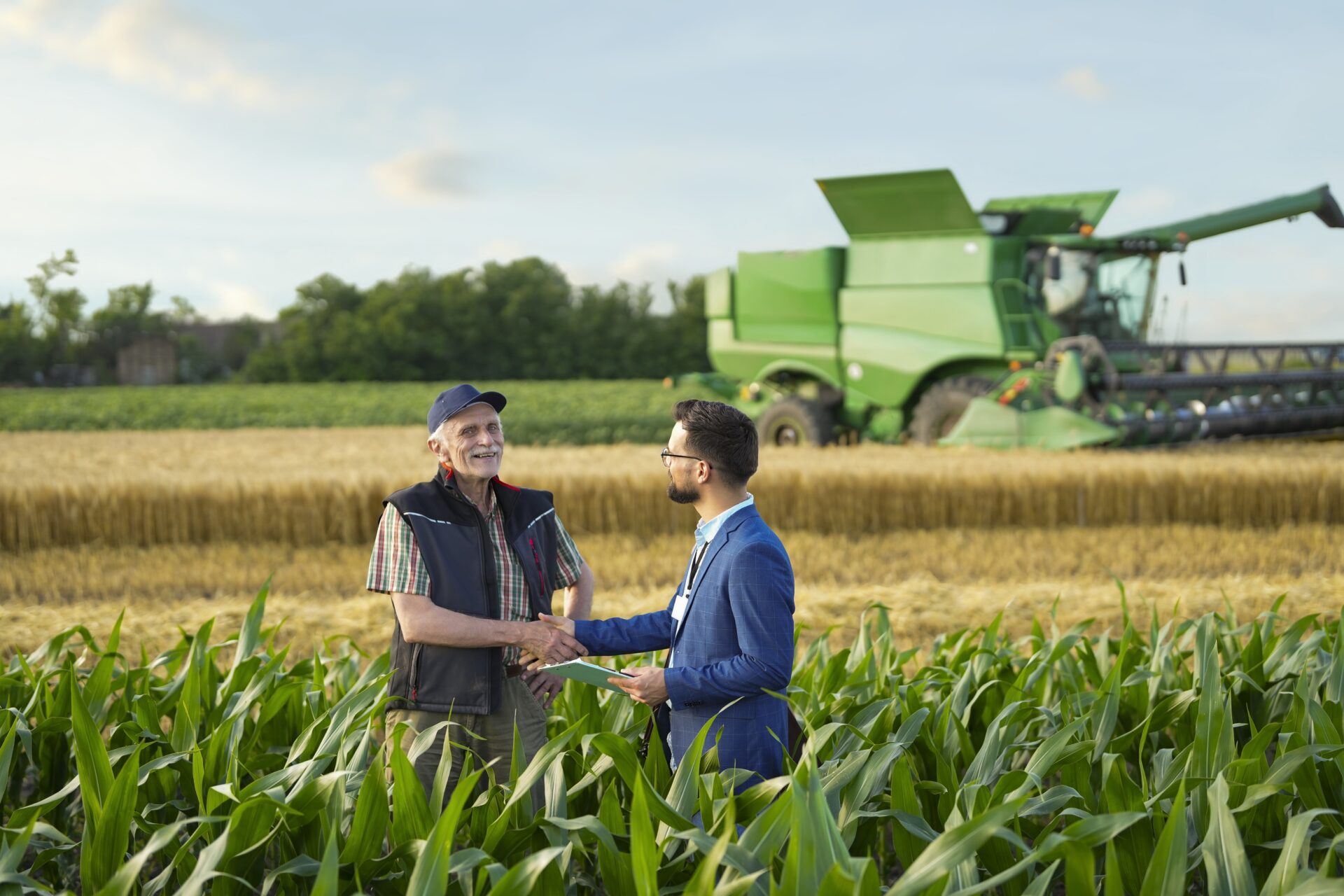
Modern agriculture runs on heavy iron and precision technology, yet purchasing a single combine, high-horsepower tractor, or center-pivot irrigation system can easily cost hundreds of thousands of dollars. Paying cash upfront for major machinery drains the working capital you need to cover seed, fertilizer, fuel, and seasonal payroll, leaving your operation vulnerable if weather delays harvest or commodity prices dip.
Farm equipment finance solves that capital crunch. This specialized funding solution lets growers, ranchers, and agribusinesses acquire new or used agricultural machinery today while spreading the cost over predictable, manageable payments. Because the equipment itself serves as primary collateral, lenders can structure flexible terms, including seasonal, semi-annual, or annual payment schedules, that align directly with your harvest cash flow.
Smart agricultural operators treat equipment financing as a strategic growth lever rather than a last resort. By preserving internal cash reserves while upgrading to faster, more reliable machinery, you maximize field efficiency, capture valuable tax deductions, and keep your operation competitive season after season.
How Farm Equipment Finance Works
Farm equipment finance allows agricultural operations to acquire essential machinery immediately while paying for the asset over its productive lifespan. Rather than requiring you to pledge real estate or unrelated business assets, the lender uses the tractor, harvester, or irrigation system itself as primary collateral. Once you select your machinery and submit an equipment quote, the financing partner pays the dealer or private seller directly, and you put the equipment to work in your fields right away.
Unlike standard commercial loans that demand rigid monthly payments year-round, agricultural financing aligns repayment schedules with your actual revenue cycles. Because row-crop farmers, orchards, and livestock producers generate cash at specific times of the year, lenders structure annual, semi-annual, quarterly, or skip-payment plans around your harvest or market dates. You avoid heavy cash outflows during winter or pre-planting months when input expenses peak and incoming revenue slows down.
This financing model covers far more than brand-new machinery sitting on a dealership lot. You can secure funding for pre-owned equipment from private sellers, auction purchases, major engine rebuilds, and specialized attachments. Whether you buy a single utility tractor or outfit an entire fleet with GPS guidance technology, equipment financing matches the loan term, typically ranging from two to seven years, to the expected working life of the asset.
Primary Types of Farm Equipment Financing
Agricultural operations can choose from several distinct financing structures depending on their tax strategy, credit profile, and how long they plan to keep the machinery. Comparing how each option handles ownership and upfront cash helps you select the best fit for your farm.
Agricultural Equipment Loans
An equipment loan works much like a commercial vehicle mortgage: a bank, agricultural credit association, or specialty equipment lender funds up to 100% of the purchase price, and you repay the principal plus interest over a fixed term. You build equity with every payment and own the machine outright once you satisfy the final balance. Loans suit growers who put heavy annual hours on durable machinery, such as high-horsepower tractors and grain bins, and plan to operate those assets for a decade or more.
Equipment Leasing (FMV and $1 Buyout)
Leasing lowers upfront cash outlays and often delivers smaller periodic payments than a traditional loan. With a Fair Market Value (FMV) lease, you pay only for the equipment’s depreciation during the lease term; when the contract ends, you can return the machine, renew the lease, or purchase it at its current market value. Alternatively, a $1 Buyout lease functions like a financed purchase, transferring full ownership to your farm for a nominal one-dollar fee at lease-end while preserving tax-advantaged lease accounting along the way.
Dealer Financing Programs
Major agricultural manufacturers operate captive finance arms that offer promotional low-interest or zero-percent financing directly at the dealership. While these incentives keep borrowing costs low on brand-new models, dealer programs typically enforce strict credit standards, require substantial down payments, and restrict you to a single manufacturer’s lineup rather than letting you bundle attachments or used equipment from multiple sellers.
USDA Farm Service Agency (FSA) Loans
Government-backed FSA loan programs provide affordable capital for beginning farmers, family operations, and producers who struggle to qualify for conventional commercial credit. Through direct loans or guaranteed loans issued by partner banks, the USDA offers competitive fixed interest rates, lower down payment requirements, and extended repayment terms designed to help developing farms build long-term equity.
Equipment You Can Finance on the Farm
Agricultural lenders finance virtually any revenue-producing asset used across crop cultivation, harvesting, irrigation, storage, and livestock management. Whether you operate a row-crop acreage, a specialty orchard, or a commercial dairy, you can bundle multiple machines and attachments into a single financing package.
Heavy Field Machinery
High-ticket field equipment accounts for the largest share of agricultural financing volume. Growers routinely finance row-crop and utility tractors, combines, forage harvesters, hay balers, self-propelled sprayers, planters, and heavy tillage implements. Because these core machines hold strong resale value on the secondary market, lenders frequently offer high advance rates and extended repayment terms on both new and well-maintained used models.
Irrigation and Storage Systems
Water management and post-harvest storage infrastructure protect crop yields and give farmers leverage over when they sell into commodity markets. You can finance center-pivot and drip irrigation systems, high-capacity water pumps, grain bins, continuous-flow dryers, augers, and temperature-controlled cold storage facilities. Financing these upgrades lets you expand irrigated acreage or store grain until market prices peak without draining operating liquidity.
Precision Ag and Livestock Gear
Modern agricultural finance extends well beyond traditional steel machinery to cover high-efficiency technology and livestock facilities. Producers use equipment loans and leases to acquire GPS auto-steer guidance systems, variable-rate fertilizer controllers, agricultural spraying drones, automated dairy milking parlors, feed mixers, and climate-controlled livestock handling systems.
Strategic Benefits of Financing Farm Equipment
Financing agricultural machinery gives farm owners a decisive operational and financial edge over paying cash upfront. By matching capital investments to the revenue those machines generate, you strengthen your balance sheet while keeping your operation agile throughout the year.
Preserve Seasonal Working Capital
Agriculture requires massive upfront spending months before a single crop or livestock lot reaches market. Financing high-cost equipment keeps liquid cash in your operating account to pay for seed, fertilizer, fuel, crop insurance, land leases, and seasonal labor. Retaining that cash cushion ensures your operation can absorb unexpected weather events, input price spikes, or market delays without scrambling for emergency credit.
Capture Section 179 and Bonus Depreciation Tax Deductions
Strategic equipment financing pairs powerful tax incentives with minimal upfront cash outlay. Under IRS Section 179 and bonus depreciation rules, agricultural businesses can often deduct the full or substantial purchase price of qualifying new or used machinery in the exact tax year they place it into service—even when financing the asset through a loan or $1 buyout lease. In many cases, the immediate tax savings exceed your total first-year loan payments.
Boost Harvest Efficiency and Reduce Repair Costs
Running aging, breakdown-prone machinery during narrow planting or harvest windows costs far more in lost yield than a monthly equipment payment. Upgrading to newer, higher-capacity tractors, planters, or combines cuts fuel consumption, eliminates unexpected mechanical downtime, and lets your crew cover more acres per day when weather windows tighten.
Align Payments with Harvest Cash Flow
Unlike rigid bank loans that pull cash every thirty days regardless of farm income, agricultural equipment financing bends around your production calendar. Lenders structure annual, semi-annual, or harvest-timed payment schedules so major installments come due only after you sell your grain, produce, or livestock, keeping cash flow steady during lean off-season months.
How to Qualify and Apply for Farm Equipment Finance
Qualifying for farm equipment finance is often more straightforward than securing an unsecured operating line because the machinery itself backs the transaction. Agricultural lenders evaluate four primary factors during underwriting: your farm’s operating history, personal and business credit scores, overall cash flow coverage, and the resale value of the equipment you plan to buy. Most lenders look for at least two years of agricultural operating history and stable debt-service coverage, though specialized programs and USDA-backed loans provide clear pathways for newer growers.
Preparing a complete financial package upfront speeds up approval and helps you lock in competitive rates. Before submitting your application, gather an itemized equipment quote or dealer invoice, your last two to three years of federal tax returns (including Schedule F for farm income), an up-to-date farm balance sheet listing existing assets and liabilities, and recent business bank statements. For smaller equipment requests under $150,000, many specialty agricultural lenders offer application-only underwriting that approves funding within 24 to 48 hours without requiring full tax returns.
When comparing financing offers, look past the headline interest rate to evaluate how each structure fits your operation. Confirm that the lender offers true seasonal or annual payment schedules aligned with your harvest dates, ask whether early payoff penalties apply if you decide to retire the debt after a strong crop year, and check if the agreement allows you to bundle delivery fees, warranties, and attachments into the financed balance.
Key Takeaways
Strategic farm equipment finance transforms heavy capital purchases into manageable operating investments that drive higher yields and long-term profitability. When you acquire tractors, harvesters, and irrigation systems through seasonal loans or flexible leases, you keep essential working capital free for seed, fuel, and labor while capturing valuable Section 179 tax deductions.
Evaluate your upcoming machinery upgrades well ahead of planting or harvest season so you have time to compare lenders and lock in payment schedules matched to your revenue cycle. Securing the right financing partner today equips your operation with reliable modern machinery while protecting your farm’s cash flow through every season.