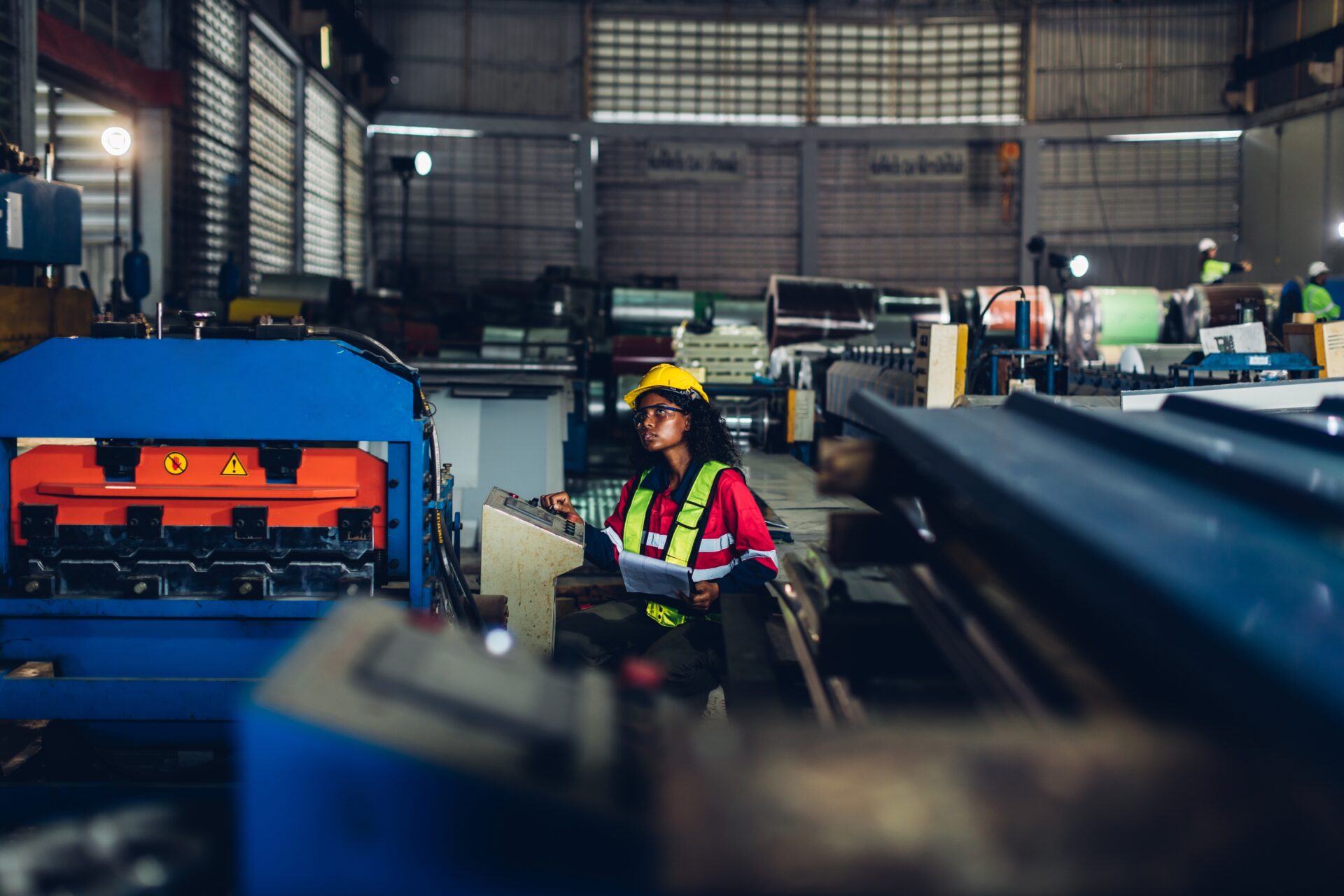
Property, Plant, and Equipment (PPE) refers to the long-term physical assets a business uses to operate, produce goods, or deliver services. These are not items a company plans to sell, but the tools, buildings and infrastructure it relies on to run day-to-day operations and generate revenue. Common examples of PPE include office buildings, factories, machinery, vehicles, computers, and heavy equipment.
PPE matters because it represents the foundation of a company’s productive capacity. These assets allow businesses to take on projects, manufacture products, serve customers, and scale their operations over time. From a financial perspective, PPE plays a major role in how a company’s balance sheet looks, how much it can deduct in taxes through depreciation, and how lenders evaluate its strength when applying for financing. In many industries, especially construction, manufacturing, transportation, and engineering, PPE is often one of the most valuable parts of the business.
What Counts as PPE?
Property, Plant and Equipment includes the tangible, long-term assets a business owns and uses to run its operations. These assets are expected to last longer than one year and are not meant for resale. Instead, they support the company’s ability to generate revenue over time.
Property refers to real estate owned by the business, such as land, office buildings, warehouses, or manufacturing facilities. These spaces provide the physical locations where employees work, products are stored, and services are delivered.
Plants include the facilities where production or processing takes place. This can include factories, workshops, refineries, or other specialized buildings designed for manufacturing or industrial activity.
Equipment covers the tools and machinery a business uses to perform its work. This can range from computers and office furniture to deliver vehicles, construction machinery, production lines, and specialized industrial equipment. For many companies, especially in asset-heavy industries, equipment makes up the largest portion of their PPE and directly impacts how much work they can take on and how efficiently they can operate.
How PPE Appears on Financial Statements
Property, Plant and Equipment is recorded on a company’s balance sheet as a long-term asset. When a business purchases PPE, it is listed at its original cost, which included not only the purchase price but also any expenses required to get the asset ready for use, such as shipping, installation and setup.
Over time, PPE is reduced in value through depreciation. This reflects the fact that equipment wears out, buildings age, and assets gradually lose value as they are used. The balance sheet shows PPE as “net of depreciation,” meaning the original cost minus the total depreciation taken so far. This net value gives investors, lenders, and business owners a more realistic picture of what the assets are worth today.
Because PPE is often one of the largest items on a company’s balance sheet, it plays a major role in how financially strong a business appears. A company with a well-maintained, valuable PPC generally looks more stable and more capable of supporting growth and financing than one with aging or minimal physical assets.
Depreciation and PPE
Depreciation is the accounting method used to spread the cost of a PPE asset over its useful life. Instead of expensing the full cost of a piece of equipment or a building in the year it is purchased, businesses gradually deduct a portion of that cost each year as the asset is used. This better matches the expense of the asset to the revenue it helps generate.
For example, if a company buys a $100,000 piece of equipment that is expected to last 10 years, it may deduct $10,000 per year through straight-line depreciation. Some businesses use accelerated depreciation methods that allow them to deduct more of the cost upfront, which can reduce taxable income in the early years of owning the asset.
Depreciation does not affect cash flow directly but is has a significant impact on profits and taxes. By lowering taxable income, depreciation can improve after-tax cash flow, giving businesses more flexibility to reinvest, hire or take on new projects.
Why PPE Matters for Business Growth
Property, Plant and Equipment plays a direct role in how much a business can produce, how efficiently it can operate and how far it can scale. The quality and capacity of a company’s physical assets determine how many orders it can fulfill, how quickly it can deliver services and how competitive it can be in its market.
Strong PPE also signals stability. Businesses that invest in modern equipment, reliable facilities and well-maintained assets are better positioned to win contracts, meet customer demands, and handle growth. In many industries, having the right equipment or facilities is what allows a company to take on larger projects and higher-value clients.
From a financial standpoint, PPE strengthens a company’s balance sheet and increases its borrowing power. Lenders and financing partners often view PPE as a sign of long-term commitment and operational strength, making it easier for businesses to secure funding to support expansion.
PPE and Financing
Property, Plant, and Equipment plays a major role in how businesses access capital. Because PPE has measurable value and a long useful life, it is often used as collateral for financing. Lenders are more willing to provide funding when a business owns valuable equipment, vehicles or facilities that secure the loan.
Many businesses choose to finance or lease PPE instead of paying for it upfront. Equipment loans, leases and asset-based financing allows companies to acquire the tools they need while preserving cash for payroll, materials, and daily operations. This approach helps businesses grow without draining their working capital.
PPE also impacts how lenders evaluate risk. A company with modern, well-maintained assets is typically seen as more stable and creditworthy than one of the key factors that determines how much funding a business can access and on what terms,
Key Takeaways
Property, Plant and Equipment is more than just what a business owns – it represents the physical foundation that makes revenue possible. From buildings and factories to vehicles and machinery, PPE supports daily operations, long-term growth, and financial stability.
Understanding how PPE works, how it is depreciated, and how it affects financing decisions helps business owners make smarter choices about investing in their company. Whether a business is expanding, upgrading, equipment or seeking funding, PPE plays a central role in shaping both its balance sheet and its future.