
Starting a business comes with a long list of new terms, paperwork, and requirements, and one of the most common questions entrepreneurs ask is: What is a federal ID number? Whether you’re forming an LLC, hiring employees, opening a business bank account, or applying for financing, you may be told that you need one.
A federal ID number, also known as an Employer Identification Number (EIN), is a unique number issued by the IRS to identify your business for tax and reporting purposes. Think of it as a Social Security number, but for your company.
In this guide, we’ll explain what a federal ID number is, who needs one, how to apply, and why it plays such an important role in business operations. We’ll also cover how having an EIN can support your ability to build business credit and access funding as your company grows.
What is a Federal ID Number?
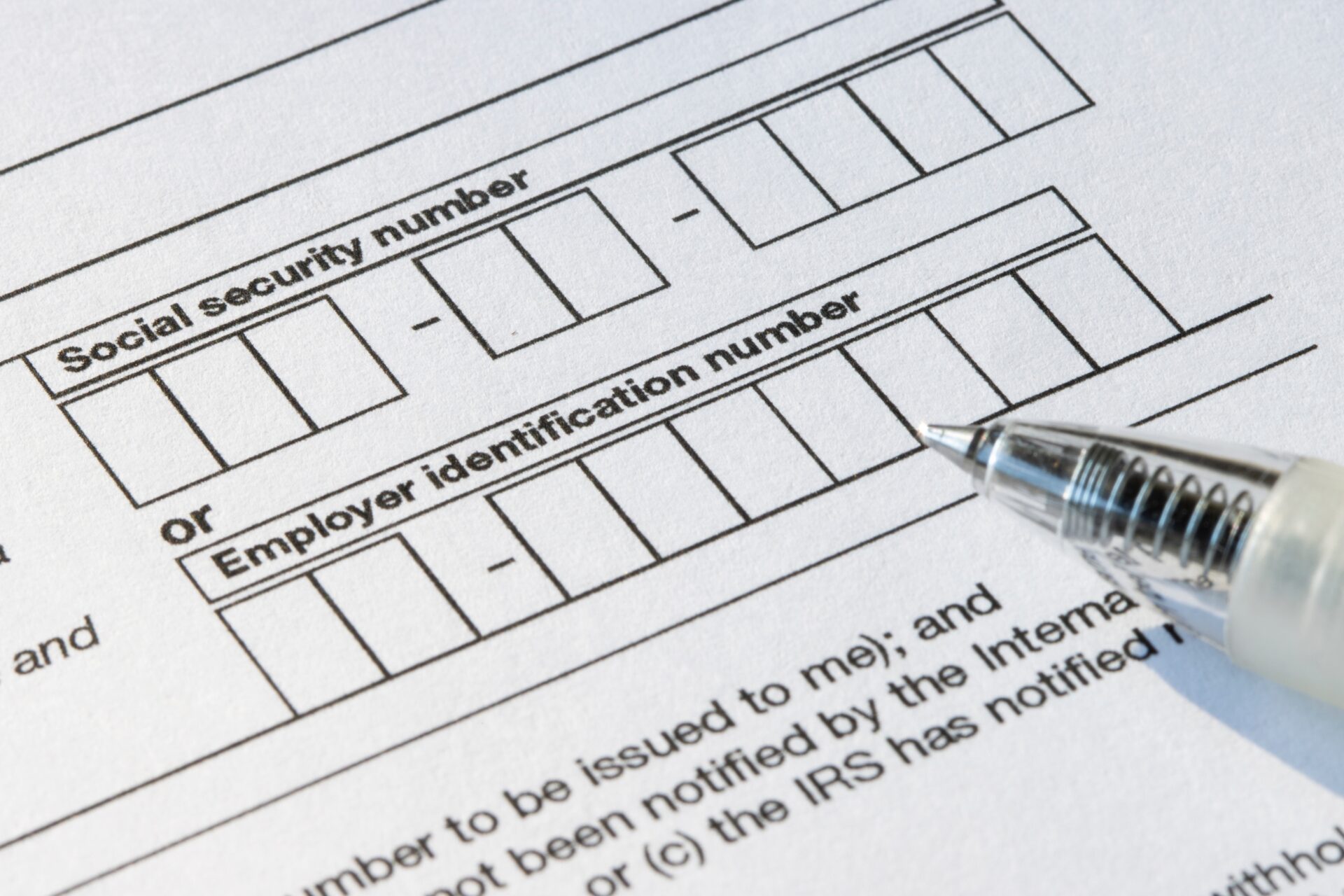
A federal ID number is an official identification number assigned to a business by the Internal Revenue Service (IRS). Most commonly, this number is referred to as an Employer Identification Number, or EIN. It is used to identify your business entity for federal tax purposes, similar to how an individual uses a Social Security number.
When a business is issued an EIN, it becomes the primary way the IRS tracks that company’s tax filings, payroll reporting, and other financial obligations. Federal ID numbers are required for many types of businesses, especially those that have employees, operate as corporations or partnerships, or need to file certain tax forms.
Even if you are a small business owner or sole proprietor, obtaining an EIN can still be a smart step. It helps separate your personal identity from your business activities and is often necessary for tasks like opening a business bank account, applying for licenses, or establishing business credit.
In short, a federal ID number is a foundational part of setting up and operating a legitimate business. It’s one of the first identifiers your company will use as it grows, hires, and accesses financial tools.
What is an EIN Used For?
A federal ID number (EIN) is more than just a tax requirement; it’s a key identifier used across many essential business activities. Once your business has an EIN, it becomes part of your company’s financial and operational foundation.
One of the most common uses of an EIN is filing federal business taxes. The IRS uses this number to track your company’s tax returns, payments, and reporting obligations. If your business has employees, an EIN is also required for running payroll, withholding taxes, and submitting employment-related forms.
In addition, many banks require an EIN to open a business bank account. Having a separate account helps keep your personal and business finances organized, which is important for bookkeeping, tax preparation, and long-term growth.
A federal ID number is also frequently needed when applying for business licenses, permits, or vendor accounts. It signals that your business is officially registered and operating as a legitimate entity.
Finally, an EIN can play an important role in business financing. Many lenders and funding partners use it to verify your business and evaluate eligibility for credit-based or receivables-based funding solutions.
Overall, an EIN is a simple but powerful tool that supports everything from compliance to expansion.
Who Needs a Federal ID Number?
Not every business is legally required to have a federal ID number, but many businesses will need an EIN depending on their structure and operations. In general, the IRS requires an Employer Identification Number for any business that hires employees or operates as a separate legal entity.
Businesses that typically need a federal ID number include corporations, partnerships, and most LLCs. If your business has more than one owner, an EIN is usually necessary for tax reporting and compliance. Likewise, if you plan to hire employees, you will need an EIN to manage payroll taxes and file employment forms.
Certain businesses also need an EIN even without employees. For example, companies that file excise taxes, operate a retirement plan, or withhold taxes on income paid to non-resident aliens are required to obtain one.
Even sole proprietors or independent contractors may choose to apply for an EIN, even if it’s not mandatory. Having a federal tax ID can help separate personal and business finances, protect your Social Security number, and make it easier to open business accounts or apply for funding.
Ultimately, if your business is growing beyond a side hustle or you want to operate more professionally, getting an EIN is often a smart early step.
How to Apply for a Federal ID Number?
Applying for a federal ID number, or EIN, is a straightforward process and can usually be completed in just a few minutes. The IRS issues EINs for free, and business owners can apply as soon as their company is legally formed.
The easiest way to apply is through the IRS online EIN application portal. This option is available for businesses located in the United States or U.S. territories, and in most cases, you will receive your EIN immediately after submitting the form.
To complete the application, you’ll need some basic information about your business, including its legal name, business structure (such as LLC or corporation), address, and the reason you’re applying. The IRS will also ask for the name and Social Security number of the “responsible party,” which is typically the business owner or principal officer.
If you prefer, you can also apply by fax or mail using IRS Form SS-4, although these methods take longer to process.
Once issued, your EIN becomes a permanent identifier for your business and will be used for taxes, banking, hiring employees, and many other official purposes as your company grows.
Federal ID Number vs. Social Security Number
Many new business owners wonder whether they should use a federal ID number or their Social Security number for business-related tasks. While both can be used for tax purposes in certain situations, they serve very different roles.
A Social Security number is issued to individuals and is primarily used to track personal income and taxes. Sole proprietors without employees may sometimes use their SSN when filing business taxes. However, relying on a personal identifier can blur the line between personal and business finances.
A federal ID number, or EIN, is specifically designed for businesses. It helps establish your company as a separate entity in the eyes of the IRS, banks, vendors, and financing partners. Using an EIN also reduces the need to share your Social Security number on applications, invoices, and business documents, which can offer an added layer of privacy and protection.
For most growing businesses, an EIN is the more professional and scalable option. It supports key business functions like hiring employees, opening business bank accounts, applying for credit, and building long-term financial credibility.
In short, while an SSN is tied to you personally, a federal ID number is tied to your business, and that separation becomes increasingly important as your company expands.
Why a Federal ID Number Matters for Business Financing
A federal ID number is not only important for taxes and compliance; it also plays a major role in your business’s financial future. For many lenders, banks, and working capital providers, an EIN is one of the first pieces of information used to verify your company and evaluate funding eligibility.
Having a federal ID number helps establish your business as a legitimate entity separate from your personal finances. This is especially important when applying for business credit, opening financing accounts, or building a company’s credit profile over time. Many traditional funding products, including loans and lines of credit, require an EIN as part of the application process.
An EIN can also support faster access to alternative financing solutions. For example, businesses that invoice other companies often experience cash flow gaps while waiting 30, 60, or even 90 days for customer payments. In these situations, invoice factoring can provide working capital based on your receivables, not long-term debt.
With invoice factoring, businesses can unlock cash tied up in unpaid invoices and use those funds to cover payroll, purchase inventory, take on new contracts, or manage everyday operating expenses. Funding partners like CapFlow work with business owners to provide flexible solutions that support growth without the delays of traditional bank lending.
Ultimately, securing an EIN is a foundational step that helps position your business for stronger financing opportunities as you scale.
Key Takeaways
A federal ID number, also known as an EIN, is one of the most important identifiers your business will use. It allows the IRS to track your company for tax purposes, supports essential tasks like hiring employees and opening business bank accounts, and helps separate your personal and business finances.
Even if you are not legally required to have an EIN right away, obtaining one can be a smart step for long-term growth. It adds professionalism, protects your personal information, and is often necessary when applying for business credit or financing.
As your company expands, having an EIN can also open the door to stronger funding opportunities, including flexible working capital solutions like invoice factoring. Whether you’re managing cash flow, covering operating expenses, or preparing for your next stage of growth, a federal ID number helps ensure your business is set up for success.