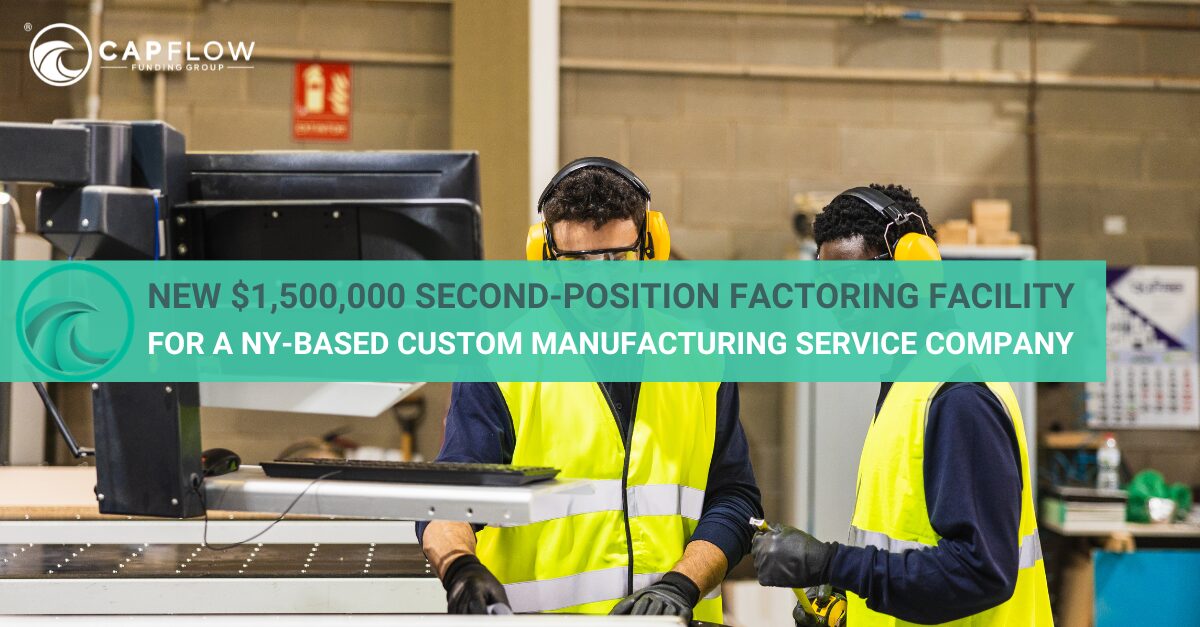

Capital expenditures—commonly referred to as CapEx—are investments your business makes in assets that provide value over multiple years. These are purchases that improve, replace, or expand your company’s operational capabilities, ranging from physical equipment to intellectual property and infrastructure upgrades.
Examples of CapEx include:
- Trucks, trailers, or other vehicles
- Manufacturing or production equipment
- Buildings or facility upgrades
- Land or warehouse space
- Furniture and office equipment
- Computers, servers, and tech infrastructure
- R&D for patents or proprietary technology
- HVAC systems or utilities upgrades
- Network or fiber-optic installations
Unlike day-to-day operating expenses (like payroll or utilities), CapEx purchases create long-term value for your business. For accounting purposes, these expenditures are capitalized and depreciated over time rather than being expensed immediately.
How Capital Expenditures Differ From Operating Expenses
The distinction is simple:
- CapEx: Buying or upgrading an asset your business will use for years. Example: purchasing a new semi-truck for delivery.
- Operating Expense (OpEx): The costs required to keep the business running today. Example: paying fuel, maintenance, or lease fees for that truck.
When you finance CapEx—say, with equipment financing—you’re investing in an asset rather than simply renting or leasing it. This approach can help grow your business while building equity in your assets.
Identifying CapEx on Financial Statements
CapEx appears in three main places:
- Balance Sheet: Under Property, Plant, & Equipment (PP&E) as a business asset.
- Cash Flow Statement: Within Investing Activities as cash outflows for purchasing assets.
- Income Statement: As annual depreciation, reflecting the asset’s gradual loss of value over time.
If you finance a CapEx purchase, the interest from the loan also appears as an expense on the income statement.
Quick CapEx Calculation:
\text{CapEx} = \text{PP&E}_{\text{end of year}} – \text{PP&E}_{\text{beginning of year}} + \text{Depreciation Expense}
Example:
- PP&E start of year: $1,000,000
- PP&E end of year: $1,200,000
- Depreciation expense: $100,000
CapEx for the year: $1,200,000 – $1,000,000 + $100,000 = $300,000
How to Determine How Much to Spend on CapEx
Your CapEx budget should align with both replacement needs and growth objectives. Here’s a practical approach:
Step 1: Make Two Lists
- Replacement CapEx: Assets you need to replace to maintain current operations. Aging trucks, outdated machinery, or expired technology all fall here.
- Growth CapEx: Investments in new assets to expand capacity, improve efficiency, or enter new markets.
Step 2: Stress Test Debt Capacity
Before financing new assets, assess how much additional debt your business can handle:
- Add up current monthly principal and interest payments.
- Sum net income, interest expense, tax expense, and depreciation & amortization from your income statement.
- Divide by 12 and then divide by a target debt service coverage ratio (1.25 is typical; use 1.5 for conservative planning).
- Subtract existing monthly debt payments to determine available cash for new financing.
Example:
- Existing debt payments: $6,600/month
- Income statement subtotal: $700,000/year
- Monthly capacity: $700,000 ÷ 12 ÷ 1.5 = $38,889
- Available for new debt: $38,889 – $6,600 = $32,289/month
This tells you how much debt your business could responsibly take on for replacement or growth CapEx.
Step 3: Compare Available Cash to Planned Expenses
Match your cash capacity with the cost of new assets. For instance:
- A $1M equipment purchase financed over 10 years at 10% interest = ~$13,215/month.
- With your available debt service of $32,289/month, this purchase fits comfortably, leaving room for other replacements or growth investments.
Financing CapEx With CapFlow Funding Group
CapEx investments are critical for keeping operations running and driving growth. Whether you’re upgrading aging trucks, expanding warehouse space, or investing in new production equipment, CapFlow Funding Group provides financing solutions that match your business needs:
- Equipment Financing: Purchase trucks, machinery, or technology with flexible repayment terms.
- Working Capital Loans: Support ongoing operations while investing in long-term assets.
- Receivables-Based Funding: Unlock cash tied up in unpaid invoices to fund CapEx without adding traditional debt.
By combining careful planning with the right financing tools, you can balance replacement needs and growth opportunities—without jeopardizing your cash flow.
Key Takeaways:
- CapEx creates long-term value and is depreciated over time, unlike operating expenses.
- Track CapEx on your balance sheet, cash flow statement, and income statement.
- Prioritize replacement vs. growth CapEx and test your debt capacity before committing.
- Financing options from CapFlow can help you invest in critical assets while maintaining healthy cash flow.
No matter your industry, from logistics and trucking to manufacturing or technology, CapFlow Funding Group can help you secure funding for the capital expenditures that matter most. Apply online today to see how we can support your growth.